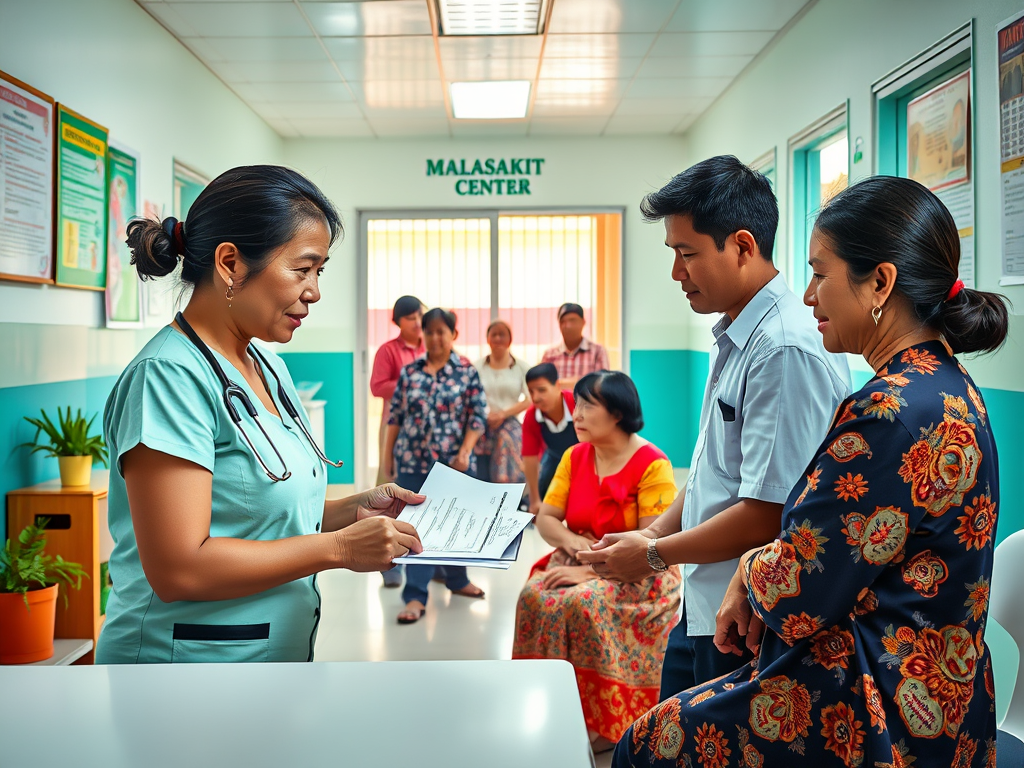
In the Philippines, healthcare is a critical concern for many citizens, particularly those from marginalized communities. Access to medical services can be a financial burden for countless families, often leading to delays in treatment or, in the worst cases, the inability to receive care at all. This is where the Malasakit Center comes in—an initiative aimed at bridging the gap in healthcare access and providing assistance to the underserved. But what exactly is a Malasakit Center, and how has it become a lifeline for Filipinos in need?
What is a Malasakit Center?
The Malasakit Center is a one-stop shop for patients who require financial assistance for medical services, particularly hospitalization costs. The name itself, derived from the Filipino word malasakit, meaning “compassion” or “concern,” reflects the center’s core mission of promoting empathy and support for patients facing medical emergencies. It consolidates various government agencies under one roof to make the process of securing financial aid more streamlined and accessible to the public.
Launched in 2018 by then-President Rodrigo Duterte, the Malasakit Centers were created as part of the government’s Universal Health Care initiative. These centers aim to provide immediate financial assistance for hospital bills, particularly for individuals who cannot afford to pay for expensive medical treatments.
How Do Malasakit Centers Work?
The Malasakit Centers are designed to simplify the process of obtaining medical financial assistance by bringing together different government agencies that provide funding for healthcare. Typically, these agencies include:
- The Department of Social Welfare and Development (DSWD)
- The Department of Health (DOH)
- PhilHealth (Philippine Health Insurance Corporation)
- The Philippine Charity Sweepstakes Office (PCSO)
- The Philippine Amusement and Gaming Corporation (PAGCOR)
Instead of going to each of these agencies separately and navigating their complicated requirements and application processes, patients can visit a Malasakit Center and receive assistance from a team of coordinators representing these different agencies. The goal is to make the process as quick, easy, and efficient as possible—especially for individuals in critical health situations.
What Services Do Malasakit Centers Offer?
Malasakit Centers primarily provide financial support for medical expenses, but they also offer a variety of services that improve the overall healthcare experience for patients:
- Hospitalization Assistance: The most common service offered is financial assistance for hospitalization bills. This can cover fees for medicines, surgeries, room accommodations, laboratory tests, and other related costs.
- Diagnostic and Treatment Support: Some centers assist with diagnostic procedures and treatments for certain illnesses, especially for low-income individuals who may not have the means to pay for such services upfront.
- PhilHealth Assistance: Malasakit Centers help facilitate the enrollment of PhilHealth membership and ensure that the benefits are fully maximized. They also assist in cases where there may be discrepancies or issues with a patient’s PhilHealth coverage.
- Disability Assistance: For patients with disabilities, Malasakit Centers provide support for specialized care and therapy, helping them access the services they need.
- Referral and Coordination: Some centers serve as a hub for connecting patients to other necessary services, such as specialized medical care, legal assistance, or even transportation support.
How Can Filipinos Access Malasakit Centers?
Malasakit Centers are typically located in government-run hospitals across the country, including in rural and regional areas. To access the services, individuals must bring the required documents to prove their identity and financial status, such as:
- A government-issued ID (e.g., passport, driver’s license, or voter’s ID)
- Medical records or doctor’s referral
- Income-related documents (such as a certificate of indigency from the barangay or a Social Security System (SSS) statement)
Once the required documents are submitted, the center’s staff will evaluate the individual’s eligibility for assistance, determine the appropriate level of aid, and process the request quickly. In emergency situations, assistance can be provided on the spot or as soon as possible.
The Impact of Malasakit Centers on the Filipino Public
The Malasakit Centers have been heralded as an important step in addressing the healthcare needs of Filipinos, particularly those who are most vulnerable. Since their launch, the initiative has expanded to multiple locations across the country, with over 90 centers established in both urban and rural areas. The Malasakit Centers have proven to be a critical lifeline for Filipinos facing medical emergencies, helping to reduce the financial burden of healthcare and ensuring that individuals don’t have to choose between their health and financial stability.
In the context of the ongoing health crisis brought about by the COVID-19 pandemic, Malasakit Centers have played a pivotal role in ensuring that essential healthcare services remain accessible to the public. They have made it possible for many Filipinos to access hospital care without the fear of being overwhelmed by unaffordable medical bills.
The Malasakit Legacy and Challenges Ahead
Despite its successes, the Malasakit Center program is not without its challenges. For one, the demand for services often exceeds the capacity of the centers, particularly in highly populated areas. The need for more funding, resources, and personnel has been highlighted as a key issue that must be addressed if the program is to sustain its positive impact.
Moreover, while the Malasakit Centers focus on short-term financial aid, many healthcare advocates argue that the Philippine healthcare system needs more comprehensive reform in terms of long-term accessibility, quality of care, and sustainability. The centers’ focus on providing immediate assistance does not address the root causes of healthcare inequality, such as the systemic underfunding of the public health system.
Nevertheless, the Malasakit Centers continue to be a shining example of what compassion-driven governance can look like. As the program evolves, it may pave the way for a more equitable healthcare system where no Filipino is left behind, regardless of their socioeconomic status.
Conclusion
Malasakit Centers stand as a testament to the Filipino spirit of bayanihan—helping one another in times of need. They provide a beacon of hope for Filipinos struggling with medical bills, offering them a way to access essential healthcare services without the fear of financial ruin. With their continued expansion and support, these centers embody the government’s commitment to ensuring that no one is denied medical care simply because they cannot afford it. While there is still much work to be done in transforming the Philippine healthcare system, Malasakit Centers represent a critical step in the right direction toward a more compassionate, accessible, and equitable healthcare landscape.



 BayanihanHealth.com