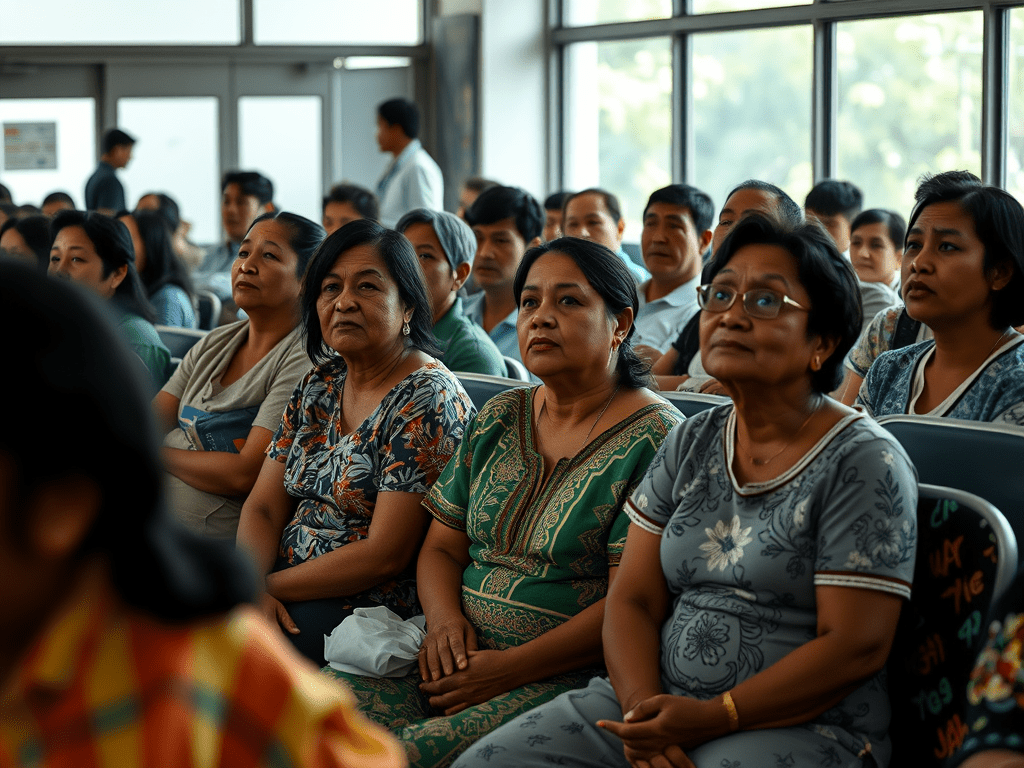
The Philippine healthcare system consists of different types of hospitals and health facilities, each designed to cater to a wide range of medical needs.
Knowing how these facilities are classified can help you choose the right place to go—whether you’re seeking a routine check-up, emergency care, or specialized treatment.
Hospitals are generally divided into three levels, with Level 3 offering the most comprehensive services, advanced equipment, and specialized expertise.
Let’s take a closer look at each hospital level and what sets them apart from one another.
1. Level 1 Hospitals
These hospitals typically offer basic services like primary care, maternity services, simple laboratory tests, basic X-ray, and a pharmacy. They don’t yet have specialized departments or intensive care units.
Level 1 hospitals would:
- Have isolation rooms
- Provide maternity and dental services
- Offer basic X-rays
- Have a secondary-level laboratory with a consulting pathologist
- Have a pharmacy and a place to store blood
Here are some examples of Level 1 hospitals in the Philippines:
–Rural Health Units (RHUs) upgraded as Level 1 hospitals in some provinces
-Baliwag District Hospital (Bulacan)
-Ospital ng Palawan (Palawan)
–Mamburao District Hospital (Occidental Mindoro)
-Don Laurencio G. Tan Memorial Hospital (Misamis Occidental)
2. Level 2 Hospitals
Level 2 hospitals in the Philippines provide more advanced services than Level 1. They have specialized clinical departments (like surgery, internal medicine, pediatrics, OB-GYN), as well as intensive care units (ICU), neonatal intensive care units (NICU), respiratory care units, and a more advanced laboratory and imaging setup.
Level 2 hospitals would:
- Have specialized departments (like surgery, internal medicine, pediatrics, etc.)
- Have intensive care units (ICU) and newborn ICUs (NICU)
- Have respiratory care units
- Offer more advanced lab tests and better X-ray equipment
Here are some examples of Level 2 hospitals in the Philippines:
–Camarines Norte Provincial Hospital (Daet, Camarines Norte)
-Zamboanga del Norte Medical Center (Dipolog City)
-Antique Medical Center (San Jose, Antique)
-Batangas Provincial Hospital (Batangas City, Batangas)
-Bataan General Hospital (Balanga City, Bataan)
3. Level 3 Hospitals
Level 3 hospitals, also known as Apex hospitals, are the highest-level hospitals. They have complete specialized services, including teaching and training programs, advanced medical equipment, subspecialty clinical departments, tertiary-level laboratories, dialysis services, rehabilitation medicine, blood banks, and sophisticated imaging facilities. They also often serve as referral centers for complicated cases.
Level 3 hospitals would:
- Provide teaching and training for medical professionals
- Offer rehabilitation services
- Can perform day surgeries
- Have dialysis services
- Operate advanced labs and blood banks
- Use the most advanced X-ray facilities
Here are examples of well-known Level 3 hospitals in the Philippines:
-Philippine General Hospital (PGH) — Manila
-Jose R. Reyes Memorial Medical Center — Manila
-East Avenue Medical Center — Quezon City
-Southern Philippines Medical Center (SPMC) — Davao City
-Baguio General Hospital and Medical Center — Baguio City
-Vicente Sotto Memorial Medical Center — Cebu City
-Philippine Heart Center — Quezon City
-National Kidney and Transplant Institute (NKTI) — Quezon City
-Lung Center of the Philippines — Quezon City
-The Medical City — Pasig City (private)
-St. Luke’s Medical Center — Quezon City & Bonifacio Global City (private)
-Makati Medical Center — Makati City (private)




 BayanihanHealth.com