Public versus Private Healthcare in the Philippines
Understanding the Gaps and What It Means for Filipino Patients
Healthcare is a basic human right — but in the Philippines, access to quality care still depends heavily on where you go and how much you can afford. The divide between public and private healthcare continues to be one of the biggest challenges in achieving true health equity in the country.
Public Healthcare: The Lifeline for the Majority
The public health system in the Philippines, operated by the government through the Department of Health (DOH), provincial hospitals, and rural health units, is the primary healthcare provider for millions of Filipinos, especially those in low-income and rural communities.
Strengths:
- Affordability: Services are often free or subsidized through PhilHealth, especially under programs like No Balance Billing.
- Wide Reach: From barangay health stations to regional medical centers, public facilities are found nationwide.
Challenges:
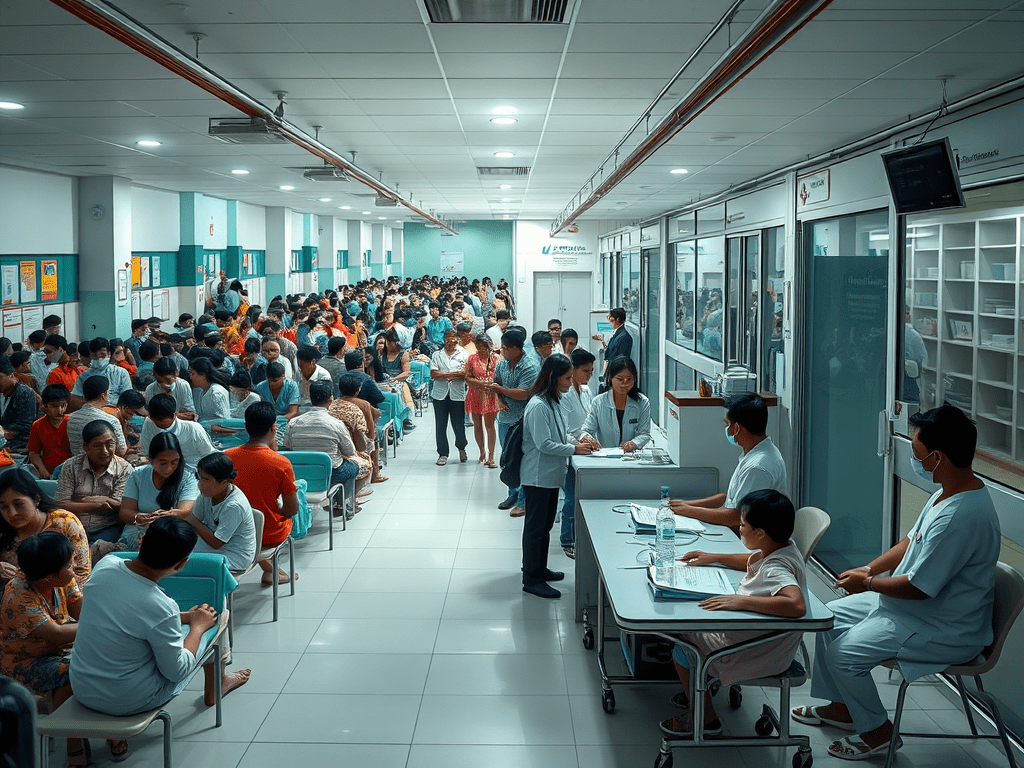
- Underfunding: Many public hospitals are overcrowded, under-equipped, and suffer from staffing shortages.
- Long Wait Times: Patients may wait hours — even days — for tests, procedures, or doctor consultations.
- Inconsistent Quality: While some government hospitals deliver excellent care, others struggle due to lack of resources and training.
Private Healthcare: Quality at a Cost
The private health sector is often seen as the gold standard — clean facilities, shorter wait times, and access to advanced technology. Private hospitals and clinics provide care to those who can afford to pay out of pocket or have health insurance beyond PhilHealth.
Strengths:
- Better Facilities and Equipment: Many private hospitals have more modern infrastructure and tools.
- Efficient Service: Faster service and personalized care are part of the appeal.
- Specialized Care: More options for diagnostics, surgery, and subspecialties.
Challenges:
- High Cost: Even with PhilHealth coverage, most private hospitals charge additional fees — often thousands of pesos per day.
- Access Inequality: Only those with sufficient income, health insurance, or corporate benefits can afford regular treatment in these facilities.
The Divide: A Two-Tiered Health System
This contrast has created what many call a “two-tiered” healthcare system:
- The wealthy and insured have access to high-quality care in private hospitals.
- The poor and underserved must rely on underfunded public services that may not always meet their needs.
In emergencies or major illnesses, this divide can mean the difference between life and death. A cancer patient in a private hospital might start chemotherapy within days. In the public sector, they may wait weeks or months just to begin treatment.
Bridging the Gap: What Can Be Done?
To close this gap, systemic changes must happen:
- More Government Investment
Increase the budget for public healthcare to improve infrastructure, hire more staff, and ensure essential medicines and equipment are available. - Strengthening PhilHealth
Ensure timely and full reimbursements to both public and private providers, so they can sustain operations without passing the cost to patients. - Public-Private Partnerships
Encourage collaboration between sectors — for example, private hospitals could support training or diagnostic services for nearby public facilities. - Universal Health Coverage Implementation
Fully implement the Universal Health Care Law so that all Filipinos — regardless of income — have access to quality, affordable care.
Final Thoughts
Healthcare in the Philippines shouldn’t be a privilege reserved for the few. Whether rich or poor, in Manila or Mindanao, every Filipino deserves access to decent, timely, and affordable healthcare. Bridging the gap between public and private healthcare is not just a policy challenge — it’s a moral obligation. Because health is not just about healing the body — it’s about building a just and caring society.



 BayanihanHealth.com